Free Emotional Intelligence Test
Discover your emotional intelligence profile in just 5 minutes. This test measures your ability to understand, manage, and leverage emotions in yourself and others.
Free, Instant Results. No Sign-up, payment, or email required!
Understanding Your EQ
What is Emotional Intelligence?
Emotional Intelligence (EI) refers to the capability to perceive, process, and regulate emotional information and use it to guide one's thinking and actions. While traditional intelligence (IQ) relates to cognitive abilities like learning and problem-solving, EI focuses on our ability to navigate our inner emotional world and the social world around us. It's not about suppressing emotions, but rather understanding them, showing empathy for others, overcoming challenges, and managing conflict in a healthy, productive manner. Researchers have found that a high EI is often a more accurate predictor of success and personal fulfillment than a high IQ score, as it underpins our most critical human interactions and our relationship with ourselves. To see how these two concepts interact, explore our article on Emotional Intelligence vs. IQ.
What is EQ?
EQ, or **Emotional Quotient**, is the measure of a person's level of Emotional Intelligence. Just as IQ provides a score for intellectual abilities, EQ provides a framework for understanding our emotional competencies. A high EQ indicates a strong ability to recognize one's own emotional state, understand the intentions and feelings of others, and manage emotions effectively to achieve desired outcomes. People with higher EQ tend to build stronger relationships, excel in leadership roles, and demonstrate greater resilience in the face of adversity. An EQ test, like this one, is designed to measure these key skills, providing a snapshot of your emotional strengths and areas for potential growth. The concept of emotional intelligence is a key area within the broader study of intelligence in psychology.
Daniel Goleman: The Pioneer of Modern EQ
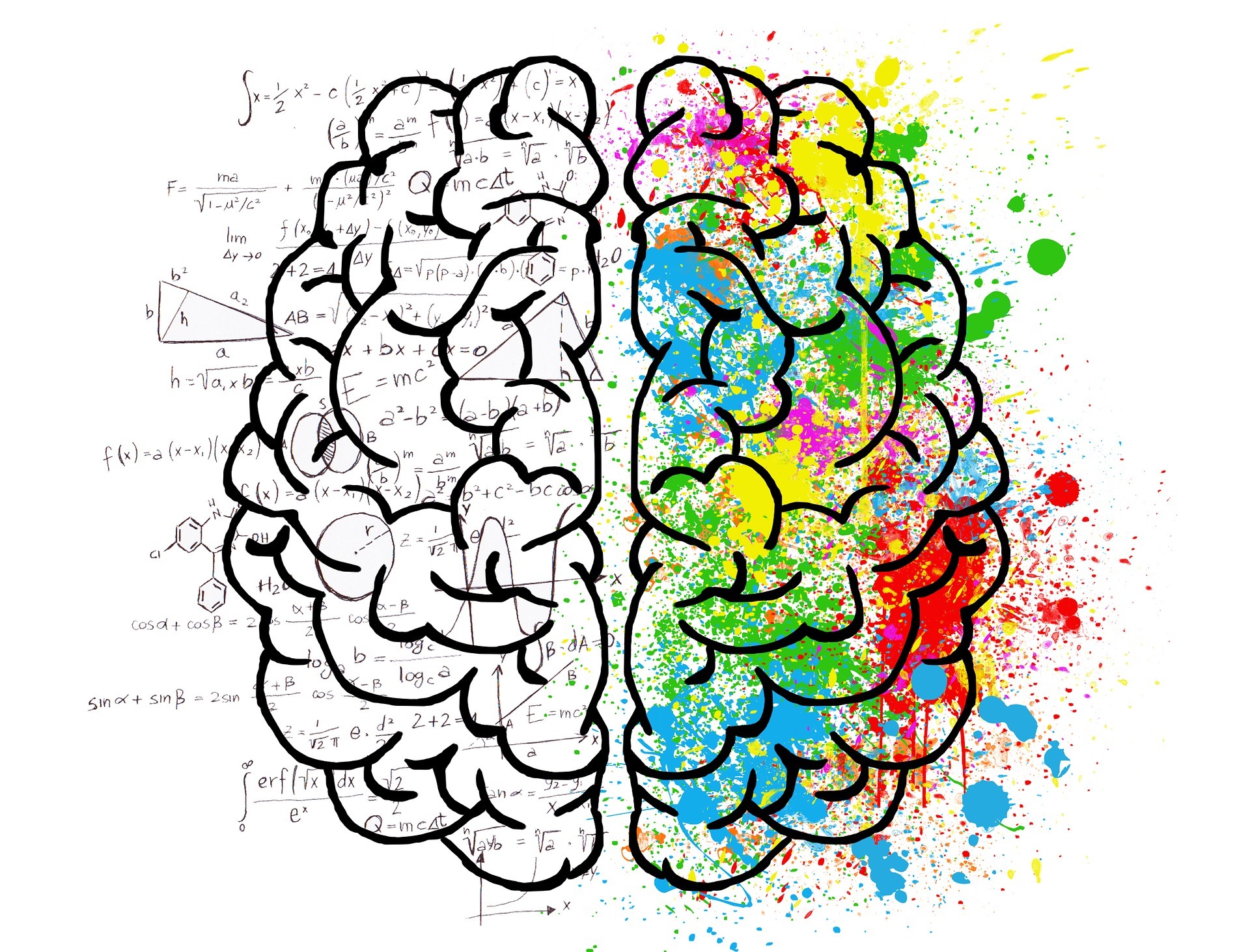
While the concept of emotional intelligence was first introduced by psychologists Salovey and Mayer, it was **Daniel Goleman’s** influential 1995 book, Emotional Intelligence, that popularized the concept and brought it into mainstream culture and business strategy. Goleman defined emotional intelligence as the capacity for recognizing our own feelings and those of others, for motivating ourselves, and for managing emotions well in ourselves and in our relationships. His model became the blueprint for countless training programs, leadership courses, and EQ assessments like this one. He argues that the neurological pathways governing our emotional and rational centers are not separate, but deeply intertwined, giving EQ a vital role in decision-making and overall mental performance, topics that align with our research into the interactive brain map related to cognitive function.
The Five Pillars of EQ
1. Self-Awareness
This is the foundation of EQ. **Self-awareness** is the ability to recognize and understand your own emotions, moods, and drives, as well as their effect on others. It means having a clear picture of your strengths and weaknesses and operating with a sense of self-confidence. A person with high self-awareness can identify what they are feeling and why, and they understand the link between their feelings and their actions. This fundamental skill is the starting point for developing all other forms of personal intelligence. Without it, attempts at increasing your intelligence or managing stress effectively are often hampered.
2. Self-Regulation
Built upon self-awareness, **self-regulation** is the ability to control or redirect disruptive impulses and moods. It involves thinking before acting. Key characteristics include thoughtfulness, comfort with ambiguity, and integrity. Someone with strong self-regulation can manage their emotional responses, stay calm under pressure, and remain dependable and clear-headed in stressful situations. This skill is critical for navigating situations that commonly cause high stress or require measured responses.
3. Empathy
**Empathy** is the ability to understand the emotional makeup of other people. It's the skill of treating people according to their emotional reactions. Signs of empathy include expertise in building and retaining talent, cross-cultural sensitivity, and attuned service to clients and customers. It’s not just about feeling sorry for someone; it’s about genuinely understanding their perspective on a deep, emotional level. This ability is foundational to strong DISC personality profiles that rely on high social stability.
4. Social Skills
This pillar refers to proficiency in managing relationships and building networks. It is the ability to find common ground and build rapport. People with strong **social skills** are often effective persuaders, expert team builders, and capable leaders of change. They are adept at communication and managing disputes, making them valuable collaborators and influencers. These skills are often linked to traits measured in the Big 5 Personality Test, particularly Extraversion and Agreeableness.
5. Motivation
**Motivation**, in the context of EQ, is a passion for work for reasons that go beyond money or status. It is the drive to pursue goals with energy and persistence. Hallmarks of this skill include a strong drive to achieve, optimism even in the face of failure, and organizational commitment. These individuals are self-starters who are constantly striving to improve and are resilient when setbacks occur. This intrinsic drive is key to sustaining the effort needed for cognitive development, such as N-Back training.
The ROI of Emotional Intelligence
EQ in Career and Leadership
In the workplace, Emotional Intelligence is often cited as the top predictor of performance, far exceeding technical skill or IQ alone. High-EQ employees handle conflict better, are more adaptable to organizational change, and are more resilient during challenging projects. For leaders, high EQ translates directly into better team morale, reduced turnover, and higher-performing departments. An emotionally intelligent leader is not just charismatic; they are also highly effective at **coaching, mentoring, and inspiring** a shared vision. These capabilities are why companies prioritize EQ when filling executive and management positions, acknowledging that the ability to manage people is often more valuable than the ability to manage tasks.
EQ in Personal Life and Relationships
Outside of work, your EQ dramatically shapes the quality of your personal life. People with high emotional intelligence are better at maintaining healthy, long-term relationships because they can communicate their needs clearly and effectively process conflict. They are less likely to experience burnout or emotional fatigue, as they possess superior **self-management** skills. Furthermore, higher EQ correlates strongly with greater overall well-being and life satisfaction. Developing your EQ can thus be one of the most impactful forms of **self-investment** you can make. If you are interested in other forms of self-assessment, we offer a free Enneagram test to explore different personality frameworks.
Practical Applications & FAQ
Why Should I Test My Emotional Intelligence?
Testing your emotional intelligence is the first step toward personal and professional development. An EQ test provides a clear, objective baseline of your current skills. It highlights your natural emotional strengths, which you can leverage more consciously, and identifies areas for improvement. Understanding your profile can help you enhance communication, strengthen relationships, become a more effective leader, and manage stress more productively. Since EQ is a set of skills, not fixed traits, they can be learned and developed over time. This test gives you the map you need to begin that journey. For a deeper look at your overall cognitive profile, consider our quick IQ test as well.
Emotional Intelligence Test FAQ
How long is this EQ test?
The assessment consists of 35 questions and typically takes about 5-7 minutes to complete.Is this EQ test accurate and scientific?
This test is a self-assessment tool designed to provide an educational snapshot of your emotional intelligence based on the five-pillar model popularized by psychologist Daniel Goleman. The questions are carefully curated to reflect the core components of each pillar. Your scores indicate your self-reported tendencies compared to the model's framework. For more rigorous, standardized measures, see information on the Wechsler IQ Test or the KBIT-2.Are my results and data private?
Yes. This test operates entirely within your browser. Your answers and results are not sent to our servers or stored anywhere after you close the page, ensuring complete privacy. The "resume test" feature uses your browser's local storage for your convenience only.Do I have to complete the test in one session?
No. Your progress is automatically saved in your browser. If you leave and come back, the test will load your previous answers, allowing you to pick up right where you left off.Is this emotional intelligence test really free?
Absolutely. You receive your complete, detailed results instantly upon completion without any requirement to register, pay, or provide an email address.